
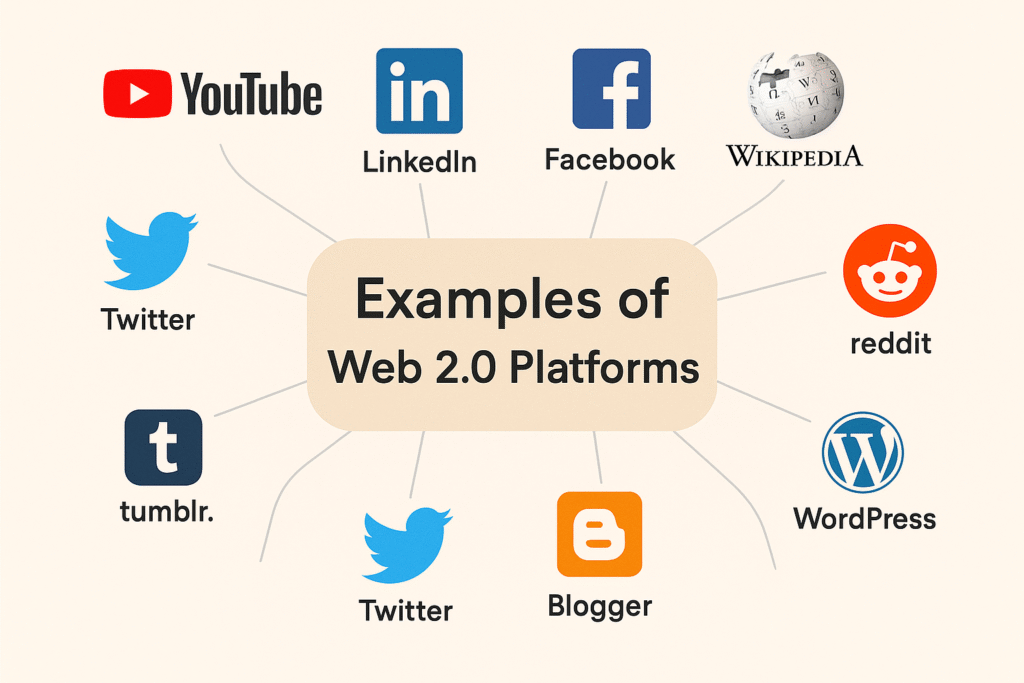

Search rankings rarely shift from a single tactic, yet certain methods quietly strengthen a site’s authority when executed with precision. Publishing content on trusted platforms gives smaller websites a foothold inside domains that search engines already respect. When handled with patience and restraint, these properties help shape a link profile that looks authentic instead of manufactured.
Many site owners abandon this method after seeing spammy examples online, but the problem usually lies in careless execution rather than the strategy itself. Properly built properties resemble miniature blogs that provide real value and naturally reference a primary website.
Understanding How These Properties Pass Value
User-generated publishing platforms host millions of articles across countless topics. Because these domains already carry strong authority signals, pages created on them can be crawled and indexed quickly.
Instead of relying on automated tools or thin posts, experienced marketers construct small content hubs that support their main site with relevant context. The strongest results appear when each property demonstrates a clear theme rather than scattered topics.
One well-written article on a trusted platform often delivers more long-term value than dozens of low-quality submissions.
How to Build Safe and Durable Properties
Start With a Realistic Foundation
Each property should resemble a genuine website rather than a placeholder page. Choose a niche-relevant topic and build around it.
Include:
- A detailed introduction
- Structured sections
- Helpful explanations
- Visual elements
- Clear formatting
Search engines favor pages that show effort and depth.
Write Content That Sounds Human
Mechanical writing patterns expose artificial networks quickly. Natural tone improves both credibility and longevity.
Avoid:
- Keyword stuffing
- Generic filler text
- Spun articles
- Robotic structure
Readers should feel like a person created the content instead of software assembling sentences.
Place Links Where They Make Sense
Context matters more than volume. A single link placed inside a useful paragraph carries more trust than several links stacked together.
For example:
A tutorial discussing beginner link strategies might explain how webmasters diversify their authority signals, mentioning web 2.0 backlinks as one component among several complementary approaches.
This placement feels informative instead of promotional.
Build Gradually Instead of All at Once
Large bursts of new properties raise suspicion.
A safer pace might look like:
- Week 1 — Create one property
- Week 2 — Publish another article
- Week 3 — Expand an existing page
- Week 4 — Add supporting content
Slow growth resembles natural activity.
Strengthen Each Property Over Time
Dormant pages lose relevance. Small updates help maintain credibility.
Consider:
- Adding a new section
- Refreshing statistics
- Improving formatting
- Uploading images
Maintenance signals authenticity.
High Authority Platforms Worth Using
Some platforms consistently provide reliable indexing and strong trust signals.
Medium
Medium allows detailed articles with clean formatting and excellent crawl rates.
Why it works:
- Strong authority
- Professional appearance
- Fast indexing
- Easy publishing tools
Long-form guides perform especially well.
WordPress.com
WordPress-hosted blogs offer flexibility and durability. To see how to post to WordPress the right way for quality web 2.0 backlinks go to https://rankersparadise.com/how-to-use-web-2-0-sites-for-backlinks/
Key advantages:
- Custom layouts
- Organized navigation
- Stable hosting
- Strong reputation
These sites can evolve into full content hubs.
Blogger
Blogger remains a dependable option supported by Google’s infrastructure.
Strengths include:
- Reliable indexing
- Long-term stability
- Simple setup
- Trusted environment
Older pages often remain indexed for years.
Tumblr
Tumblr supports both written and visual content.
Benefits include:
- Authority domain
- Social signals
- Flexible formatting
- Quick publishing
Creative niches perform particularly well.
Weebly
Weebly enables structured page creation with minimal effort.
Advantages:
- Clean layouts
- Easy editing
- Stable hosting
- Beginner-friendly setup
Tutorial-style content works well here.
Example of a Properly Structured Link
A realistic property might look like this:
Blog Title: Practical Steps to Build Website Authority
Article Sections
- Why authority matters
- Content quality principles
- Link acquisition basics
- Long-term growth tips
Link Placement Example
Inside a paragraph discussing authority development:
Detailed guides and advanced tutorials can be found on our main site where deeper strategies are explained step by step.
Supporting Elements
- One or two images
- Several headings
- Clean spacing
- 1,000+ words
This structure appears authentic and trustworthy.
Are These Properties Still Worth Using?
Search engines have grown more selective, yet carefully built properties still contribute measurable value when integrated into a broader strategy.
They help with:
- Link diversity
- Indexation speed
- Topical relevance
- Brand visibility
Results tend to accumulate gradually rather than appearing overnight.
They work best alongside:
- Editorial links
- Outreach campaigns
- Niche edits
- Resource mentions
Used alone, they rarely move rankings significantly. Combined with other methods, they strengthen overall authority.
Mistakes That Reduce Effectiveness
Thin Pages
Short posts rarely survive long or deliver meaningful signals.
Exact-Match Anchor Abuse
Repeated anchors invite algorithmic scrutiny.
Identical Structures
Matching layouts expose networks quickly.
Rapid Automation
Mass creation leaves obvious footprints.
Conclusion
Publishing thoughtful content on trusted domains remains a practical way to reinforce authority without excessive risk. When properties are built patiently and maintained with care, they blend naturally into a site’s link profile and support steady growth.
This method rewards effort, planning, and consistency rather than shortcuts, making it a dependable supporting strategy for long-term search visibility.